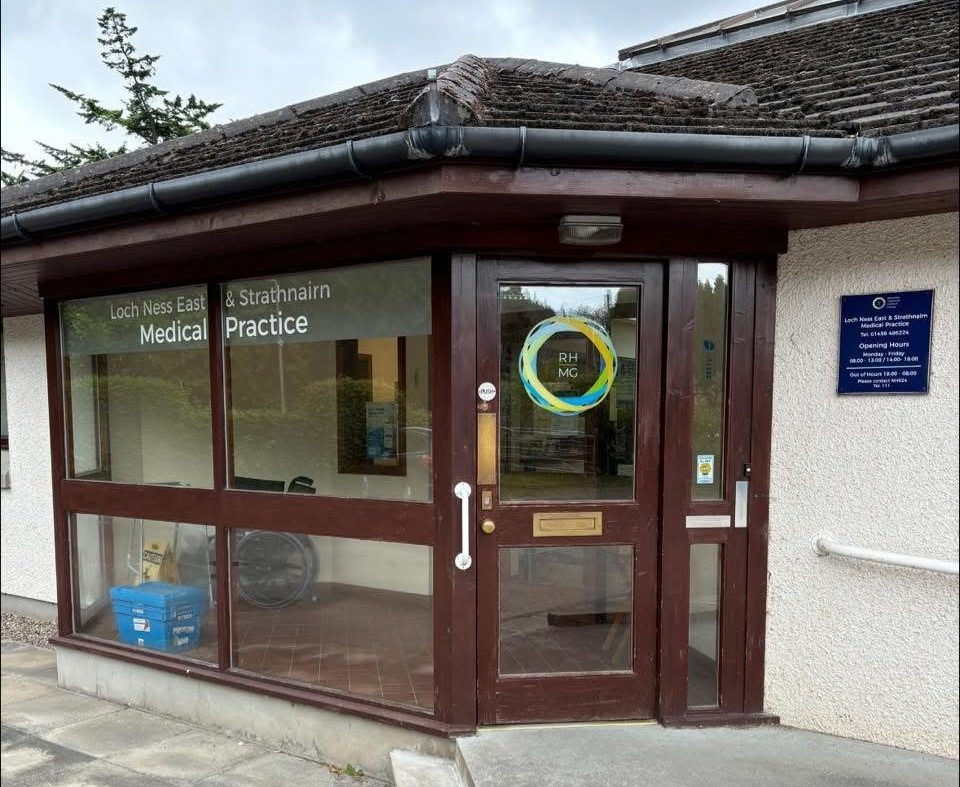
Loch Ness East & Strathnairn Medical Practice
The Medical Centre, Foyers, Inverness, IV2 6YB
Telephone: 01456 486 224
Sorry, we're closed.

The Medical Centre, Foyers, Inverness, IV2 6YB
Telephone: 01456 486 224
Sorry, we're closed.
Friday 16th October – Public Holiday Winter Vaccination Programme Respiratory Syncytial Virus (RSV) Vaccination Programme Update: ADHD Private assessments for children and young people Etonogestrel Implant (Nexplanon) Extended Licence MenB Vaccination For Young People Programme Scam MyCare.scot Text Messages Public Holidays & Practice Closure Dates Outbreak of meningitis group B in Kent Rethink Dementia Sepsis – Spot the signs Change to childhood immunisation schedule The Parent Hub “Be the early bird” – Detect Cancer Earlier Winter Flu & COVID Vaccines Public Holidays & Closure Dates
As you will likely be aware, there has been a very significant outbreak of invasive meningitis in Kent and sadly two young people have died. Whilst not aware of any connections to the outbreak locally, NHS Highland are keen to raise awareness of the signs and symptoms of meningitis and also provide information for anyone who is not up to date with the recommended vaccines.
What is meningitis?
Meningitis is an infection of the protective membranes that surround the brain and spinal cord (meninges). It is usually caused by a bacterial or viral infection. Bacterial meningitis is rarer but more serious than viral meningitis. It can affect anyone, but is most common in babies, young children, teenagers and young adults. Meningitis can be very serious if not treated quickly. It can cause life-threatening blood poisoning (septicaemia) and result in permanent damage to the brain or nerves.
Symptoms of meningitis
The symptoms of meningitis can develop suddenly and can include:
• a high temperature (fever) over 37.5C (99.5F)
• being sick
• a headache
• a blotchy rash that doesn’t fade when a glass is rolled over it (this won’t always develop)
• a stiff neck
• a dislike of bright lights
• drowsiness or unresponsiveness
• seizures (fits)
These symptoms can appear in any order and some may not appear.
Anyone concerned they may have meningitis should seek medical advice as soon as possible.
How is meningitis spread?
Meningitis is usually caught from people who carry these viruses or bacteria in their nose or throat but aren’t ill themselves. It can also be caught from someone with meningitis, but this is less common. Fortunately, the bacteria which cause bacterial meningitis are not as infectious as the common cold and cannot be spread by casual contact or simply breathing the air where a person with meningitis has been. Infection is spread by direct contact with respiratory and throat secretions because of coughing; sneezing; kissing; sharing utensils, cutlery and toothbrushes or having prolonged close contact.
Preventing meningitis
In addition to the importance of taking prompt action in response to possible symptoms, there are vaccinations which offer some protection against certain causes of meningitis. It is important that everyone is up to date with the vaccinations recommended to provide best protection. Infectious diseases such as meningitis can spread easily in university and college communities which is why NHS Highland are keen to raise awareness and remind students about free vaccinations provided by NHS Scotland https://www.nhsinform.scot/vaccinesforstudents.
These vaccines offer the best protection against these serious, and potentially life-threatening diseases.
How can I access vaccination?
If you are unsure about the vaccines you have had, you should contact your local NHS immunisation team. For details please visit https://www.nhsinform.scot/healthy-living/immunisation/getting-your-vaccinations/#nhs_highlands
Additional information in relation to meningitis is available at https://www.nhsinform.scot/illnesses-and-conditions/infections-and-poisoning/meningitis/